
The Powerful Benefits of Introducing Solid Foods to Baby at the Right Time

Wondering when to start solids? Learn the signs of readiness, best first foods, allergy recommendations, and safe feeding tips for your baby.
Wondering when to start solids? Learn the signs of readiness, best first foods, allergy recommendations, and safe feeding tips for your baby.

Learn practical sun safety for kids tips, including sunscreen use, hydration, protective clothing, and how to prevent summer sunburns.

Learn which foods to avoid while breastfeeding, plus safe guidelines for caffeine, alcohol, and more to support your baby’s health and development.

Home safety for toddlers is critical as little ones explore. Learn simple, pediatrician-recommended ways to childproof your home and prevent injuries.

The importance of sleep for kids goes beyond rest. Learn how sleep supports growth, behavior, and learning—and how to build healthy routines.

Do kids really need vitamins? Learn when multivitamins for children are helpful, what nutrients matter most, and how to support healthy growth naturally.

Discover the benefits of gardening with kids—from healthier eating to stronger family bonds—and learn simple ways to start growing together this spring.

Family mealtime offers more than nutrition. Learn how eating together strengthens relationships, supports healthy habits, and boosts children’s emotional well-being.

Struggling with soreness? Nipple care while breastfeeding can prevent cracks, ease discomfort, and protect your feeding journey. Here’s what helps most.

Planning a trip? A travel guidance appointment helps your family stay healthy with destination-specific vaccines, medications, and expert pediatric advice.

Bike riding builds confidence and coordination, but it also comes with risks. Learn how to make safety second nature with these pediatrician-approved tips.

Flu symptoms in kids can appear quickly. Here’s how to tell when it’s the flu, how to care for your child, and when antiviral medications may be recommended.

Pacifiers are soothing tools for many babies—but what’s the best way to use them safely and when should you wean? Here’s what every parent should know.
Looking for healthy habits your family can stick to this year? These realistic health goals for kids can support growth, balance, and wellness—without pressure.
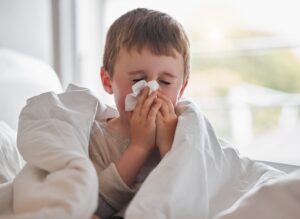
Flu symptoms in children often start suddenly and can be intense. Learn how to recognize influenza, support recovery at home, and know when to seek care.

Holiday travel with young children doesn’t have to be overwhelming. With the right prep, flexibility, and support, your family can enjoy a stress-free, memorable season.

Teaching healthy eating habits for kids builds strong bodies and can reduce their future disease risk. Here’s how to guide smart nutrition from the start.
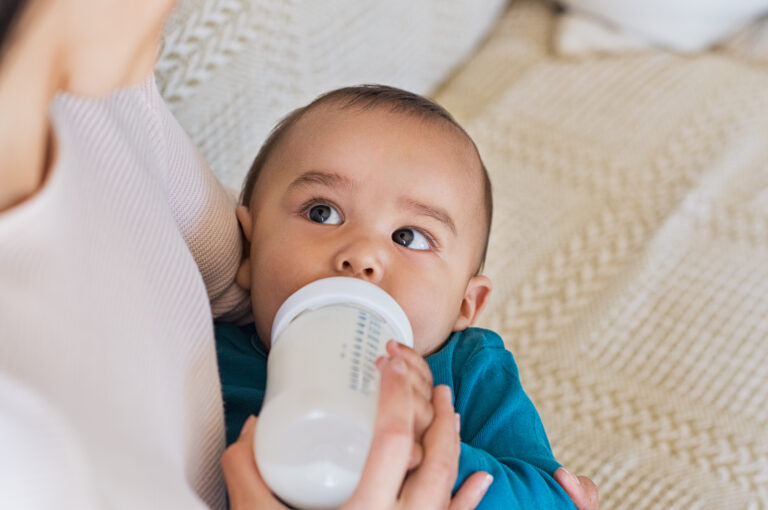
Wondering how to start introducing a bottle to a breastfed baby? Learn 8 helpful, low-stress steps for making the transition easier for you and your baby.

Tummy time for babies is key to motor development and preventing flat head syndrome. This guide shares tips, AAP recommendations, and how to get started.

Worried about a fever in your child? This guide covers what a fever means, how to manage it safely at home, and when to call your pediatrician for help.

Choosing between a hospital-grade vs mobile breast pump? This guide explains the differences, benefits, and when to use each—so you can pump with confidence.

Rethinking screen time for kids means focusing on quality, balance, and context. Here’s how to set age-appropriate boundaries that support healthy habits.

New to using a breast pump? This guide walks you through how to choose the right pump, build a routine, and store milk safely—all while giving yourself grace.

Confused about the flu shot for kids? We’re busting myths and sharing why this yearly vaccine is one of the easiest ways to keep your child safe and healthy.

Many breastfeeding myths can lead to confusion or doubt. Learn the truth about milk supply, pain, and feeding frequency so you can breastfeed with confidence.

Only 1 in 5 teens meet physical activity recommendations. Discover the proven benefits of movement and how to make daily activity fun and easy for your child.

Breastfeeding on demand empowers you to follow your baby’s cues and nourish them when they need it—no clocks, no guilt. Here’s why it works and how to start.

Many children labeled with penicillin allergies aren’t truly allergic. Learn the facts, bust the myths, and find out how to clarify your child’s allergy status.
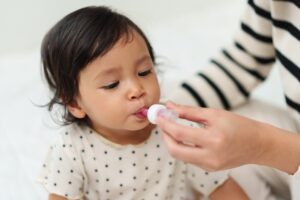
Learn why vitamin D supplementation for newborns is crucial, how much your baby needs, and safe ways to ensure healthy development from the very beginning.

Heat exhaustion vs heat stroke in children: Understand the warning signs, what to do in an emergency, and how to keep kids safe when temperatures soar.

Infantile colic is stressful—but you’re not alone. These top coping strategies offer practical relief, supported by expert guidance and real-life experience.

W sitting in children is common—but when is it a problem? Discover why kids choose this position, its potential impact, and what to do if you’re concerned.

Learn 8 essential baby safety tips from pediatric experts to prevent common injuries in the first year of life. From safe sleep to car seats and baby-proofing, this guide helps you stay one step ahead.
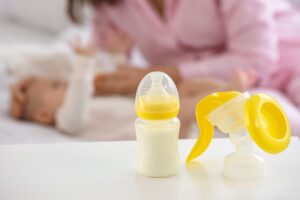
From green to rusty orange, breast milk comes in a rainbow of colors. Explore the meaning behind each shade, what’s normal, and when to reach out to your provider.

Infant massage is a joyful blend of tradition and science. Explore infant massage benefits, how to get started, and how it helps both baby and parent bond deeply.

Asthma is one of the most common chronic conditions in kids, but many parents aren’t aware of the early signs. Learn about the top asthma risk factors in children, what symptoms to watch for, and when to talk to your pediatrician to keep your child healthy and active.

As kids start planning summer fun, sleepover and playdate safety tips are more important than ever. Whether it’s their first night away or just another playdate with friends, these moments help build independence—but they require preparation. Before your child heads out, assess their readiness, talk through expectations, and ask key questions of the hosting family.

Pediatric BMI is just one small piece of a bigger picture. Learn why your child’s health is about much more than a number and how we focus on overall wellness at every visit.

As measles cases rise in several areas, it’s crucial to understand the risks and protect ourselves through vaccination. This post discusses the ongoing outbreak, the importance of the MMR vaccine, and what steps families can take to stay safe.

This comprehensive guide helps parents understand CDC breast milk storage guidelines to ensure breast milk stays nutritious and safe for their baby.

Learn about RSV prevention, recognizing symptoms, and practical steps to protect infants, young children, and older adults during the peak RSV season.
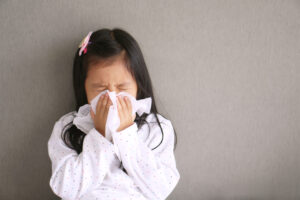
Is your child sniffling, sneezing, or dealing with itchy eyes? Learn the common allergy symptoms in children, tips for relief, and signs it might be something else.
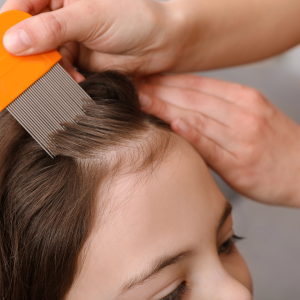
HEAD LICE—just the mention of them can make any parent or teacher start itching. These tiny insects are a common problem, especially among children, and while they don’t carry diseases, they can be an incredibly frustrating nuisance. If your child … Read more

We are getting some questions about Bird Flu and if it can affect our kids. At this time, the answer is mostly no, but it might be helpful to have some additional background information. When we talk about flu, we’re … Read more

We are celebrating some of history’s most influential women in life sciences and their extraordinary achievements and contributions that have saved countless lives and continue to inspire generations of women in medicine to this day. Metrodora (c. 200-400 AD) Metrodora, … Read more

The National Prescription Drug Take Back Day provides a safe and responsible means of disposing of prescription drugs.

‘We are not retreating. We are advancing in another direction.’ — —General Douglas MacArthur Since I was six years old, I’ve loved football. I counted down the years until I could play for my school in 7th grade. However, two … Read more
Talking With Children About Tragedies & Other News Events Parent Guidelines for Helping Youth After the Recent Shooting Age-Related Reactions to a Traumatic Event Psychological First Aid (PFA) Online

From the American Academy of Pediatrics: Updated 5/19: Since the outbreak of COVID-19, there have been significant shortages of infant formulas in stores. Current shortages have been largely caused by supply chain issues and the recent recall of several baby formula products over concerns about … Read more
The American Heart Association is a nonprofit organization in the United States that funds cardiovascular medical research, educates the community on healthy living, and fosters appropriate cardiac care in an effort to reduce disability and deaths caused by cardiovascular disease … Read more
From The Children’s Foundation: In celebration of Black History Month, we are reflecting and honoring the contributions Black leaders have made toward the advancement of equality and improvement of children’s health and wellness, both historically and in the present day. … Read more
These sixty-five indoor rainy day activities for kids provide hours of independent play ideas. Just yesterday the sun was shining and the kids were fully occupied –running around the backyard, climbing trees, splashing through sprinklers, and drawing with chalk. But today … Read more
From the American Academy of Pediatrics: Fear, uncertainty, and being holed up at home more to slow the spread of COVID-19 can make it tough for families to keep a sense of calm. But it’s important to help children feel safe, keep healthy routines, manage … Read more
From the American Academy of Pediatrics: Do Healthy Young People Need the COVID-19 Vaccine? Yes. If your teen or child is healthy but has not had their COVID vaccine, don’t wait. The American Academy of Pediatrics (AAP) recommends the COVID-19 vaccine for … Read more

From the American Academy of Pediatrics: Helping to make your family safer, stronger and more harmonious may not require a complete overhaul, but rather a few strategic tweaks. Here are some concrete and tangible parenting goals you can set for … Read more

From the American Academy of Pediatrics: The start of a new year is a great time to help your children focus on forming good habits. Making New Year’s resolutions can be a fun way to do this! As a pediatrician … Read more
From the CDC: Given what we currently know about COVID-19 and the Omicron variant, CDC is shortening the recommended time for isolation from 10 days for people with COVID-19 to 5 days, if asymptomatic, followed by 5 days of wearing … Read more

From the American Academy of Pediatrics: The ongoing stress, fear, grief, and uncertainty created by COVID-19 pandemic has weighed heavily on children and teens. Many are having a tough time coping emotionally. More than 140,000 children in the United States have … Read more
From the American Academy of Pediatrics: For many families, the holidays are about getting together with relatives and friends. As COVID-19 surges again with new variants, children younger than 5 years old are not yet eligible for the vaccine. Even though children ages 5-11 years can get vaccinated … Read more
From the American Academy of Pediatrics: Kids will be always kids, but their toys have changed―and it can be overwhelming! We are inundated with all kinds of sensory-stimulating noise and light toys, and digital media-based platforms with child-oriented software and … Read more
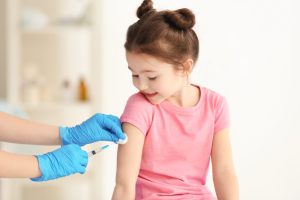
For 5-11 year old, starting November 6th, a COVID-19 vaccine will be authorized for emergency use. The vaccine is a 2-dose series taken 3 weeks apart. Each is 1/3 the dosage of the adolescent/adult vaccine. For 12-17 year olds, a … Read more

The nation’s vaccine campaign will also expand in the coming weeks if the FDA greenlights Pfizer-BioNTech vaccines for children ages 5 to 11. We are staying informed and when the COVID-19 Vaccine is approved by the FDA for the ages … Read more

From The FDA: Today, the U.S. Food and Drug Administration took action to expand the use of a booster dose for COVID-19 vaccines in eligible populations. The agency is amending the emergency use authorizations (EUA) for COVID-19 vaccines to allow … Read more
From American Academy of Pediatrics: The ongoing stress, fear, grief, and uncertainty created by COVID-19 pandemic has weighed heavily on children and teens. Many are having a tough time coping emotionally. More than 140,000 children in the United States have experienced the death … Read more

From American Academy of Pediatrics: For families fully vaccinated against COVID-19, the risk of being exposed to the virus during Halloween festivities may not be as scary as last year. But as COVID continues to spread, it’s still important to … Read more
From: American Academy Pediatrics Reading diverse and inclusive books is a wonderful way to allow children to see themselves reflected, learn about other people and their experiences, imagine themselves in another place or time, imagine themselves in another person’s experiences, … Read more

From: American Academy Pediatrics Your children may have questions about the changing climate. Many are hearing about or experiencing climate-change-fueled disasters such as wildfires and severe storms. Climate change affects everyone, but it impacts kids the most. Children are especially vulnerable to environmental health … Read more

From American Academy Pediatrics: One of the most cautious drives you’ll ever take is the one bringing your baby home with you. Newborns look and feel fragile, and they represent a new of world of uncertainty. Here’s what you need … Read more

From American Academy Pediatrics: During social distancing to slow the spread of COVID-19, you may be looking for new ways to entertain and play with your young child. Thankfully, all you need is loving attention and some basic household items. Try these time-tested … Read more
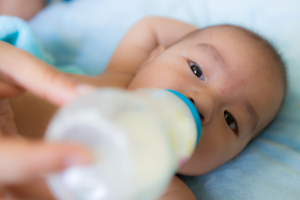
From American Academy Pediatrics: Probiotics” (meaning “for life”) is a word you may see when shopping for infant formula and supplements. Some formulas are fortified with these probiotics, which are types of live bacteria. Doctors may also recommend probiotic drops or powders … Read more

From American Academy Pediatrics: Does your infant have a regular fussy period each day when it seems you can do nothing to comfort her? This is quite common, particularly between 6:00 p.m. and midnight—just when you, too, are feeling tired … Read more

From American Academy Pediatrics: Having a baby is an incredibly exciting time! Many parents set up baby registries for items that they believe their baby will need. However, it’s important to know that some popular products are unnecessary and can … Read more

From American Academy of Pediatrics: How do I know if my child has a food allergy? A food allergy happens when the body reacts against harmless proteins found in foods. The reaction usually happens shortly after a food is eaten. Food … Read more

From American Academy of Pediatrics: Breastfeeding can offer many perks, especially during the COVID-19 pandemic. You can even breastfeed if you test positive for COVID-19 or are not fully vaccinated, as long as you take extra safety precautions to protect … Read more

From American Academy of Pediatrics: For many families, the holidays are about getting together with relatives and friends. But as the COVID-19 pandemic continues, gatherings with people outside your household continue to be risky this holiday season. Public health experts say that … Read more

From American Academy of Pediatrics: Some physical conditions are common during the first couple of weeks after birth. If you notice any of the following in your baby, contact your pediatrician. Abdominal distension Most babies’ bellies normally stick out, especially … Read more
From American Academy Pediatrics: Congratulations on the birth of your new baby! And kudos for getting fully immunized against COVID-19 during your pregnancy. This protects you—and also passes along protective antibodies that may reduce your baby’s risk of COVID-19 infection. … Read more
From the CDC: What is the difference between Influenza (Flu) and COVID-19? Influenza (flu) and COVID-19 are both contagious respiratory illnesses, but they are caused by different viruses. COVID-19 is caused by infection with a coronavirus first identified in 2019, … Read more
From the CDC; Flu Vaccination Why should people get vaccinated against flu? Influenza is a potentially serious disease that can lead to hospitalization and sometimes even death. Every flu season is different, and influenza infection can affect people differently, but … Read more
From the CDC; Take time to get a flu vaccine. CDC recommends a yearly flu vaccine as the first and most important step in protecting against flu viruses. Flu vaccines help to reduce the burden of flu illnesses, hospitalizations and … Read more
From the CDC; Misconceptions about Flu Vaccines Can a flu vaccine give you flu? No, flu vaccines cannot cause flu illness. Flu vaccines given with a needle (i.e., flu shots) are made with either inactivated (killed) viruses, or with only … Read more
From the CDC; The single best way to reduce the risk of seasonal flu and its potentially serious complications is to get vaccinated each year, but good health habits like avoiding people who are sick, covering your cough and washing your hands often … Read more
From the FDA: Today, the U.S. Food and Drug Administration approved the first COVID-19 vaccine. The vaccine has been known as the Pfizer-BioNTech COVID-19 Vaccine, and will now be marketed as Comirnaty (koe-mir’-na-tee), for the prevention of COVID-19 disease in … Read more
Dear Southwest Pediatrics Families, Thanks so much for your patience as we constantly adjust to the COVID pandemic. Just when we think we think we’re over the hump, there’s another hurdle to jump! This particular season, combined with an unprecedented … Read more
From the American Academy of Pediatrics; The temptation to rely on media screens to entertain babies and toddlers is more appealing than ever, with screens surrounding families at home, in the car, and even at the grocery store. And there is no shortage of media products … Read more
From the American Academy of Pediatrics; The following are some possible warning signs of feeding problems, and should be discussed with your pediatrician. Too Much Feeding: If bottle-fed, the baby is consuming more than 4 to 6 ounces (120 to 180 … Read more
From the American Academy of Pediatrics; Here are ways you can try to comfort a crying baby. It may take a few tries, but with patience and practice you’ll find out what works and what doesn’t for your baby. Swaddle your baby in … Read more
From the American Academy of Pediatrics; Every family should have activities that they enjoy together and that become a regular, predictable, and integral part of their lives. Some can be serious pursuits, like attending community functions or religious services as … Read more
From the American Academy of Pediatrics; Rice, oatmeal, or barley? What infant cereal or other food will be on the menu for your baby’s first solid meal? Have you set a date? At this point, you may have a plan … Read more
From the American Academy of Pediatrics; Each child has different skills and needs that can guide parents in helping him or her brush. Tips to Help Young Children Practice Brushing & Make It A Good Experience: Choosing a toothbrush. Use a … Read more
From the American Academy of Pediatrics; Parents of preschoolers should not aim for low-fat meals. In fact, research has shown that low-fat diets may actually promote unhealthy weight gain—especially if dietary fats are replaced with added sugars. In an effort … Read more
From the American Academy of Pediatrics; As parents, we all want happy, healthy babies. Not only that, we want them to be smart. Growing research in early brain development shows there are some basic things you can do right now … Read more
From the American Academy of Pediatrics; As we’ve learned during the COVID-19 pandemic, going to school in person is how children and teens learn best. Many students also get vital resources they need to thrive at school. With a new … Read more
From the American Academy of Pediatrics; Almost all children get RSV at least once before they are 2 years old. For most healthy children, RSV is like a cold. But, some children get very sick with RSV. What is RSV? … Read more
From the American Academy of Pediatrics; Answer Yes, swimming is a great family activity. It’s good exercise and a life-saving skill. The American Academy of Pediatrics recommends water safety and swim lessons for all children as a layer of protection … Read more
From the American Academy of Pediatrics; During pregnancy it is important that you get the appropriate nutrients and energy needed to keep you and your baby healthy. Physical activity is also just as important when you’re pregnant as at any … Read more
From the American Academy of Pediatrics; You may have heard news about a small number of adolescents and young adults who experienced mild cases of heart inflammation (called myocarditis) after getting the COVID-19 vaccine. Most recovered on their own or … Read more
Here are some easy and healthy popsicle recipes for a refreshing treat on a hot summer day! Healthy Strawberry Cheesecake Popsicles: Ingredients: 2 cups fresh strawberries, Stems emoved 1 1/2 cups plain or vanilla yogurt 2 tbsp. of honey (Optional; … Read more