
How to Keep Your Child Safe Around Water This Summer
Water safety for kids should be a priority for every family, especially during the warmer months when pools, lakes, rivers, splash pads, and beaches become part of everyday fun. Swimming is a wonderful way for children to stay active, build confidence, and enjoy time outdoors—but it also comes with serious risks if proper precautions aren’t taken.
According to the American Academy of Pediatrics (AAP), drowning remains one of the leading causes of injury-related death among young children. The encouraging news is that most drowning incidents are preventable through education, supervision, and multiple layers of protection.
With a few simple habits, families can enjoy the water while greatly reducing the risk of injury.
Why Water Safety for Kids Matters
One of the biggest misconceptions parents have is that drowning is loud or obvious. In reality, drowning is often silent and can happen in less than a minute.
Children can slip underwater without splashing or calling for help, which is why constant supervision is essential—even if a lifeguard is present.
The goal of water safety for kids isn’t to keep children out of the water. Instead, it’s to teach safe habits that allow them to enjoy swimming while minimizing risk.
Skip the Floaties and Choose Safer Options
Many parents assume inflatable arm floaties, swim rings, or pool noodles provide protection. However, these products are intended for play—not drowning prevention.
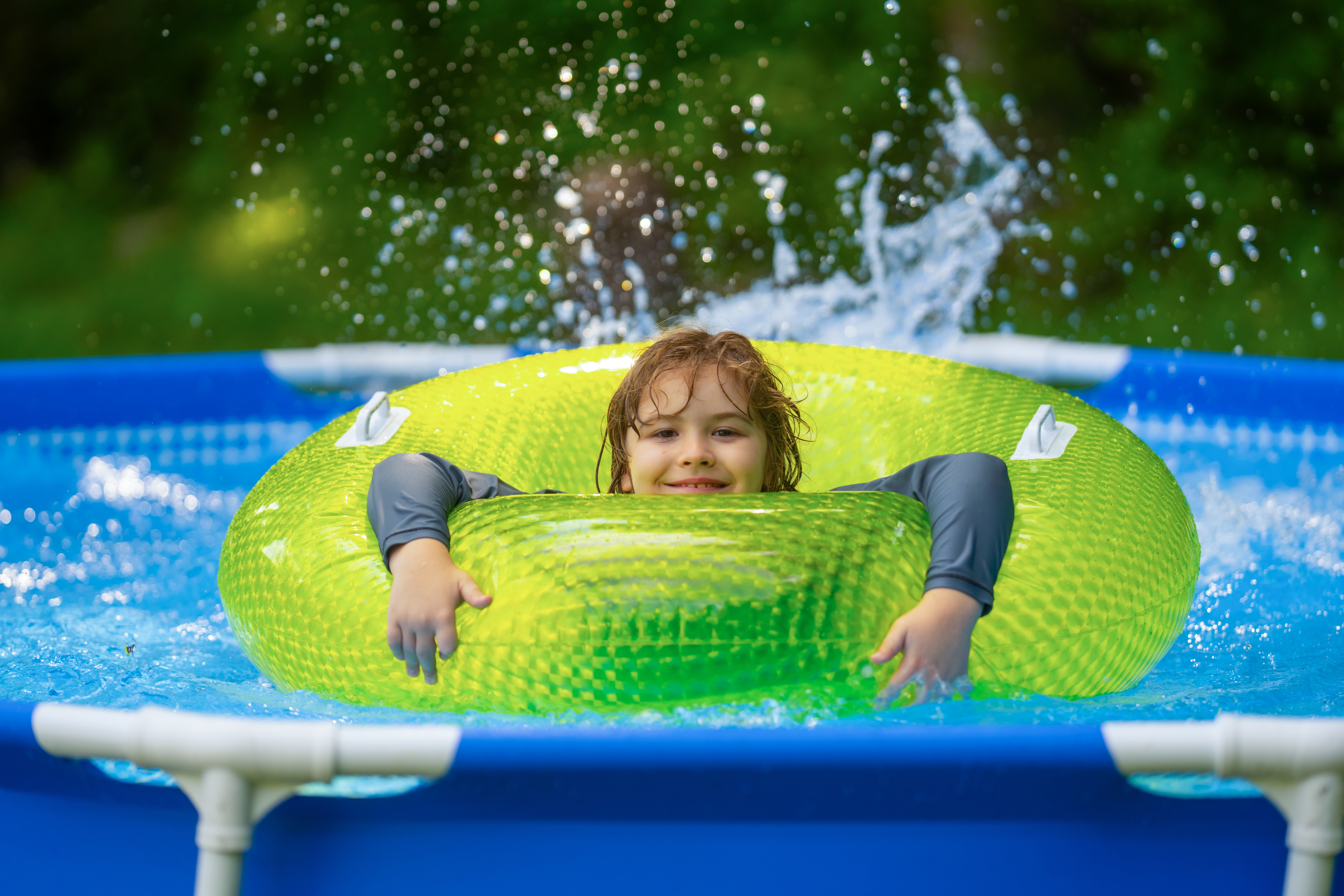
Inflatable floatation devices can:
- Slip off unexpectedly
- Deflate without warning
- Tip children into unsafe positions
- Give both children and parents a false sense of security
Another concern is that floaties encourage children to remain in an upright position, which is not the body position used for actual swimming.
Instead, experts recommend:
- Building real swimming skills through lessons rather than flotation toys
- Staying within arm’s reach of young or inexperienced swimmers (“touch supervision”)
- Using a properly fitted U.S. Coast Guard-approved life jacket while boating or swimming in open water
Swim Lessons Are an Important Layer of Water Safety for Kids
Learning to swim is one of the best investments parents can make in their child’s safety.
The American Academy of Pediatrics recommends that many children begin swim lessons around age one, depending on:
- Developmental readiness
- Emotional maturity
- Overall health
- Comfort around water
- Opportunities to practice
Swim lessons have been shown to significantly reduce drowning risk, but it’s important to remember that no child is ever drown-proof.
Even experienced swimmers require active adult supervision whenever they are near water.
When choosing lessons, look for instructors who emphasize water survival skills alongside traditional swimming techniques.
Layers of Protection Save Lives
The most effective water safety for kids strategy uses several safety measures together.
Constant Adult Supervision
Designate one responsible adult as the “Water Watcher.” This person should avoid:
- Phones
- Reading
- Socializing
- Alcohol
- Other distractions
Supervision should be active and uninterrupted.
- Outdoor activity
- Sports participation
- Hot weather
- Illness
Pool Barriers
Home pools should have:
- Four-sided fencing
- Self-closing gates
- Self-latching locks
- Locked pool access
These barriers significantly reduce accidental drownings.
Emergency Preparedness
Parents and caregivers should:
- Know the address of the swimming location in case emergency services are needed
- Learn CPR
- Keep rescue equipment nearby
- Have a charged phone accessible
Teach Safe Water Habits Early
Children learn best through repetition and modeling.
Teach children to:
- Always ask permission before entering water
- Never swim alone
- Follow pool rules
- Walk instead of run around pools
- Respect lakes, rivers, and oceans, which present different hazards than pools
As children grow, continue reviewing water safety rules before every swimming outing.
Water Safety Beyond the Pool
Many drowning incidents happen outside traditional swimming pools.
Parents should also be cautious around:
- Lakes
- Rivers
- Beaches
- Hot tubs
- Bathtubs
- Kiddie pools
- Buckets and other standing water for infants and toddlers
Always empty small pools immediately after use and never leave children unattended around any body of water, regardless of depth.
Final Thoughts
Water safety for kids is about creating multiple layers of protection that work together. Swim lessons, attentive adult supervision, life jackets, pool fencing, and CPR training each play an important role in preventing drowning.
Swimming should be a fun, healthy activity that builds confidence and lifelong skills. By making water safety a regular part of every outing, families can help children enjoy the water while staying as safe as possible.
If you have questions about swim readiness or water safety, your pediatrician can help you determine the best approach for your child’s age and development.