
Why Sun Safety for Kids Matters More Than Parents Realize
Sun Safety for Kids: A Parent’s Summer Guide
Sun safety for kids is especially important during Austin summers filled with pool days, camps, parks, sports, and long afternoons outside. Sunshine encourages outdoor play and physical activity, but children’s skin is more sensitive to ultraviolet (UV) rays and can burn faster than many parents realize.
The good news is that a few simple habits can help protect your child while still allowing them to enjoy all the fun that summer brings.
Why Sun Safety for Kids Matters
One of the biggest reasons sun safety for kids matters is because children’s skin is thinner and more vulnerable to UV damage than adult skin.
Even a single severe sunburn during childhood can increase the risk of skin cancer later in life. The goal is not to avoid outdoor play entirely—it’s to help children enjoy outdoor activities more safely and comfortably.
Consistent sun protection also helps prevent:
- Long-term UV damage
- Painful burns
- Skin irritation
- Heat exhaustion
When UV Exposure Is Strongest
An important part of sun safety for kids is understanding when the sun’s rays are strongest.
UV exposure typically peaks between:
10 AM and 4 PM
During these hours, children benefit most from:
- Shade breaks
- Sunscreen reapplication
- Protective clothing
- Hydration
Even cloudy days can still expose children to significant UV rays, so sun protection should remain part of your routine regardless of temperature or cloud cover.
Choosing the Right Sunscreen
Choosing sunscreen carefully is one of the easiest ways to improve sun safety for kids.
Look for:
- Broad-spectrum protection
- SPF 30 or higher
- Water-resistant formulas for swimming or sports
“Broad-spectrum” means the sunscreen protects against both UVA and UVB rays.
For children, creams and lotions are often more reliable than spray sunscreens because parents can better see where the product has been applied. For more information about sunscreens, visit the American Academy of Pediatrics Sun Safety Tips.
How to Apply Sunscreen Properly
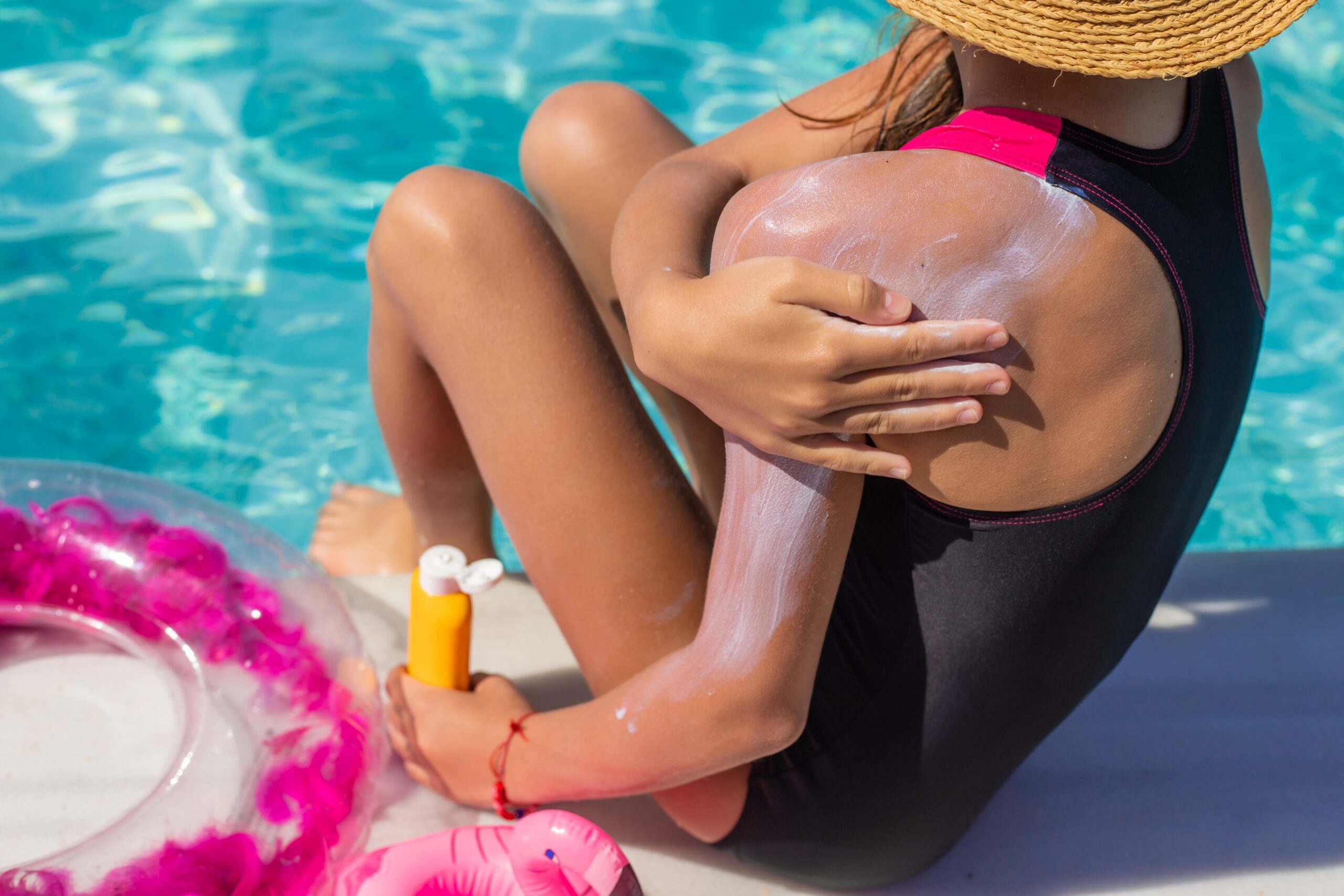
One of the most common reasons children burn is simply not applying enough sunscreen.
For better sun safety for kids, remember to:
- Apply sunscreen 15–30 minutes before going outside
- Reapply every 2 hours
- Reapply sooner after swimming, sweating, or towel drying
Do not forget commonly missed areas like:
- Ears
- Back of neck
- Tops of feet
- Shoulders
- Scalp if hair is thin
Using enough sunscreen consistently makes a major difference.
Clothing and Shade Matter Too
Sunscreen is only one piece of effective sun safety for kids.
Additional protection includes:
Protective Clothing
- Lightweight long sleeves
- Rash guards for swimming
- UV-protective fabrics
Hats and Sunglasses
- Wide-brim hats help shade the face and neck
- Sunglasses with UV protection help protect children’s eyes
Shade Breaks
Regular breaks under umbrellas, trees, or covered areas help reduce overall UV exposure and heat stress.
Sun Safety for Babies
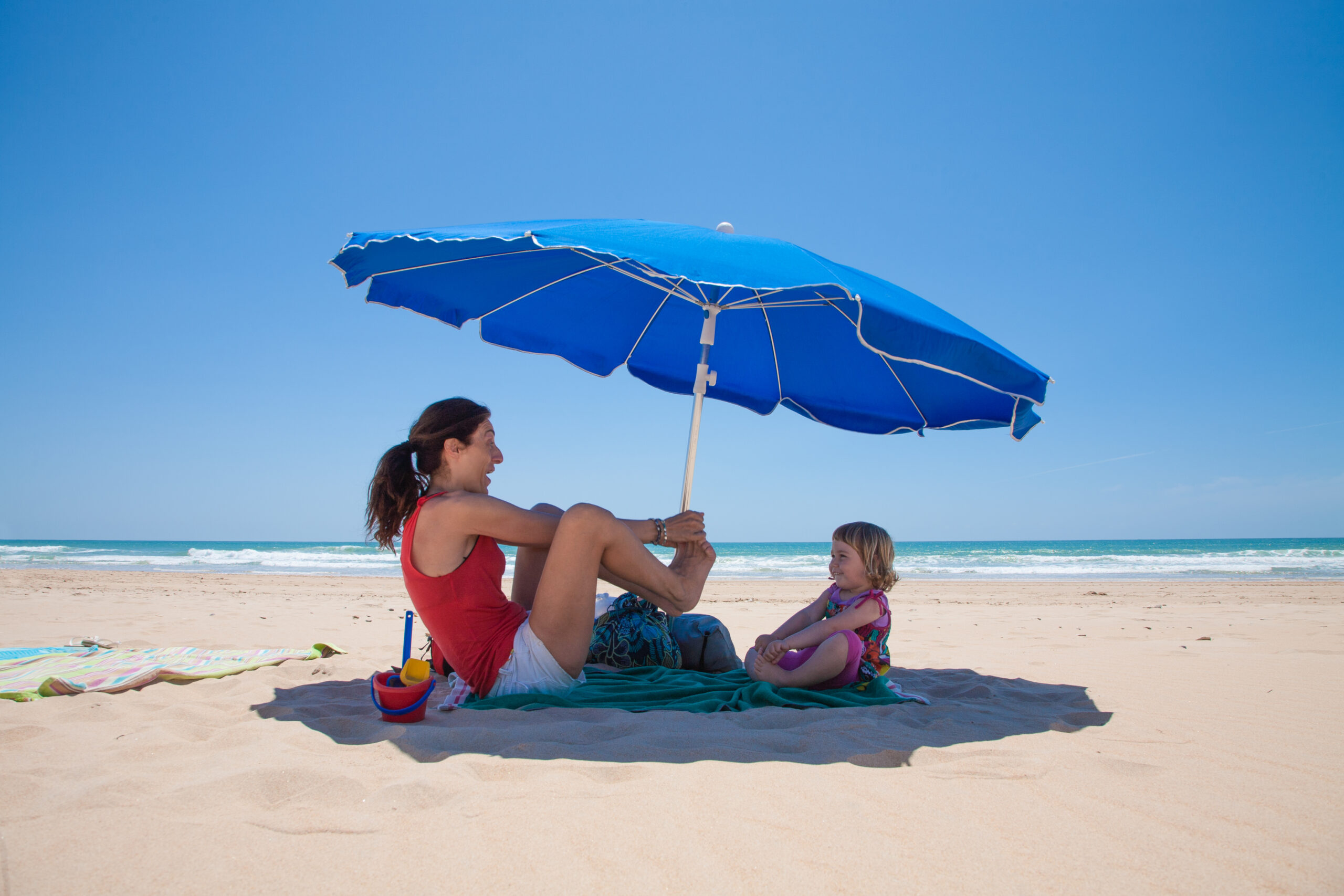
For infants younger than 6 months, sun safety for kids relies more heavily on physical protection than sunscreen.
Recommendations include:
- Keeping babies in the shade
- Using lightweight clothing
- Avoiding direct sun exposure
If small areas of skin cannot be covered, parents should talk with their pediatrician about safe sunscreen use for infants.
Don’t Forget Hydration
Austin heat and sun exposure often go hand in hand. Along with sunscreen, hydration is a critical part of sun safety for kids.
Encourage children to:
- Drink water regularly
- Take cooling breaks
- Avoid excessive heat exposure during peak hours
Children can become dehydrated faster than adults, especially during sports and outdoor play.
When to Call Your Pediatrician
Parents should seek medical attention if a child develops:
- Blistering sunburn
- Severe pain
- Fever
- Vomiting
- Excessive sleepiness
- Signs of dehydration
These symptoms may indicate a more serious sun-related illness.
Final Thoughts
Sun safety for kids does not mean avoiding summer fun. With a few simple habits—sunscreen, shade, protective clothing, and hydration—children can safely enjoy outdoor activities all season long.
Creating consistent sun protection routines now helps support healthy skin habits for life.