
Introducing Solid Foods to Baby: When to Start and What to Expect
Introducing solid foods to baby is an exciting milestone for families. While breast milk or formula remains your baby’s primary source of nutrition during the first year of life, there comes a time when babies are developmentally ready to begin exploring new tastes, textures, and feeding skills.
For most babies, solids can be introduced around 4 to 6 months of age, provided they are showing signs of readiness. Every child develops at their own pace, so it’s important to watch your baby—not just the calendar.
Signs Your Baby Is Ready When Introducing Solid Foods to Baby
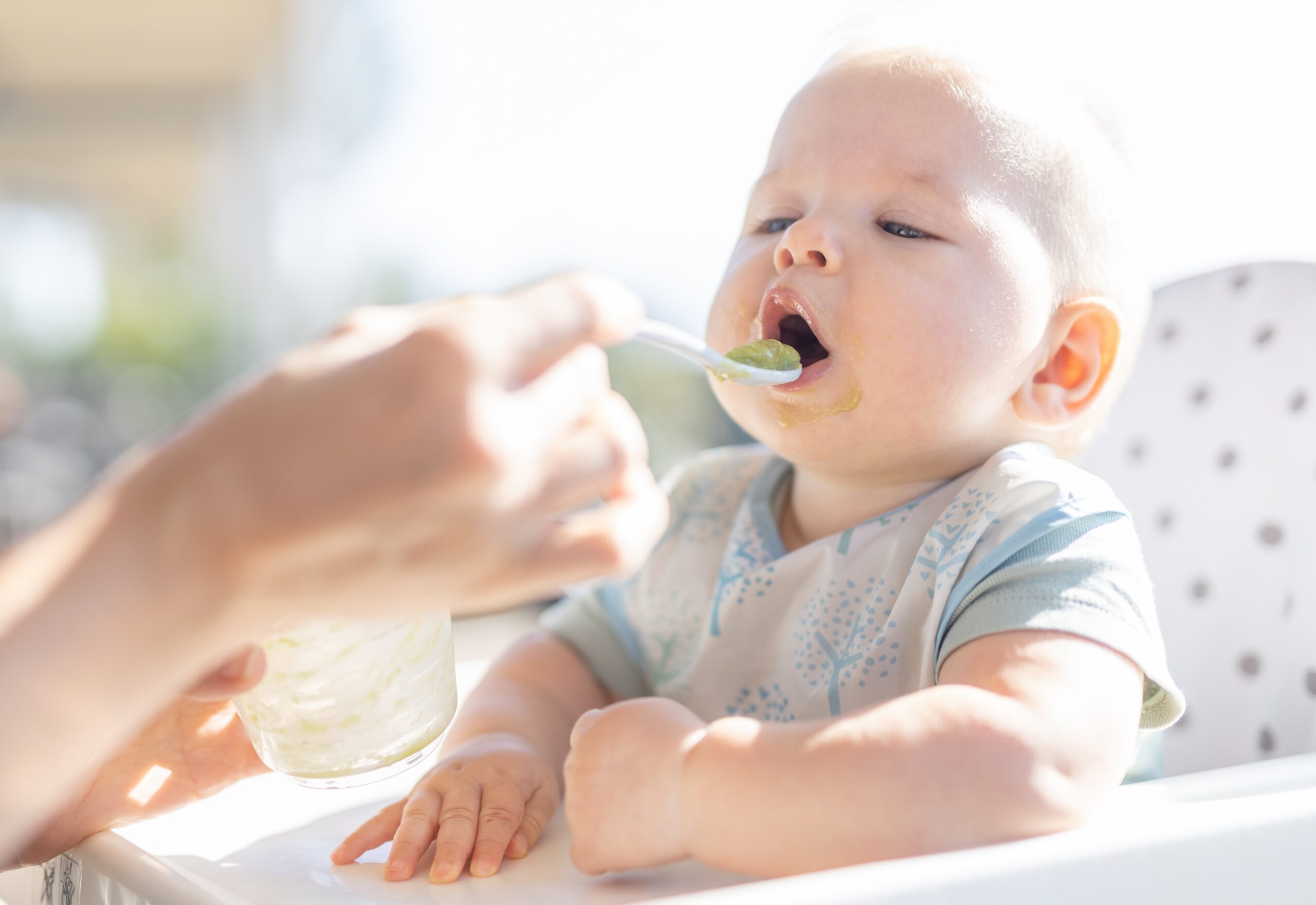
When introducing solid foods to baby, look for developmental signs rather than focusing only on age.
Your baby may be ready if they:
- Have good head and neck control
- Can sit with support
- Show interest in watching others eat
- Open their mouth when food approaches
- Have lost the tongue-thrust reflex that automatically pushes food out
- Seem unsatisfied after breast milk or formula alone
Many babies reach these milestones between 4 and 6 months of age and weigh approximately 13 pounds or more.
How to Start Introducing Solid Foods to Baby
The first feeding experience should be simple and low-pressure.
Start with a half spoonful or less of a soft, pureed food. Talk positively with your baby throughout the process and allow them time to explore the new texture.
A helpful strategy is:
- Offer a small breast milk or formula feeding first
- Introduce a few spoonfuls of food
- Finish with breast milk or formula
This helps prevent frustration if your baby is very hungry.
If your baby turns away, cries, or refuses the food, don’t force it. Simply try again another day. Remember that introducing solid foods to baby is a gradual process and learning experience.
Best First Foods for Babies
When introducing solid foods to baby, foods should be soft, smooth, and easy to swallow.
Good first foods include:
- Iron-fortified infant cereals
- Pureed meats
- Pureed sweet potatoes
- Avocado
- Bananas
- Peas
- Squash
- Applesauce
This allows parents to monitor for possible reactions such as:
- Swelling
- Rash
- Hives
- Vomiting
- Diarrhea
- Swelling
Food Allergies and Early Introduction
One area that has changed significantly over the years is allergy prevention.
Current research shows there is no benefit to delaying introduction of common allergens beyond 4–6 months once a baby is developmentally ready.
This includes:
- Eggs
- Dairy
- Soy
- Fish
- Peanut products
In fact, introducing peanut products after 4–6 months may help reduce the risk of peanut allergy in many children.
Babies with severe eczema or egg allergy may require additional guidance before peanut introduction, so discuss this with your pediatrician.
When Can Babies Start Finger Foods?
As your baby gains coordination and can sit independently, introducing solid foods to baby eventually progresses to finger foods.
Safe options include:
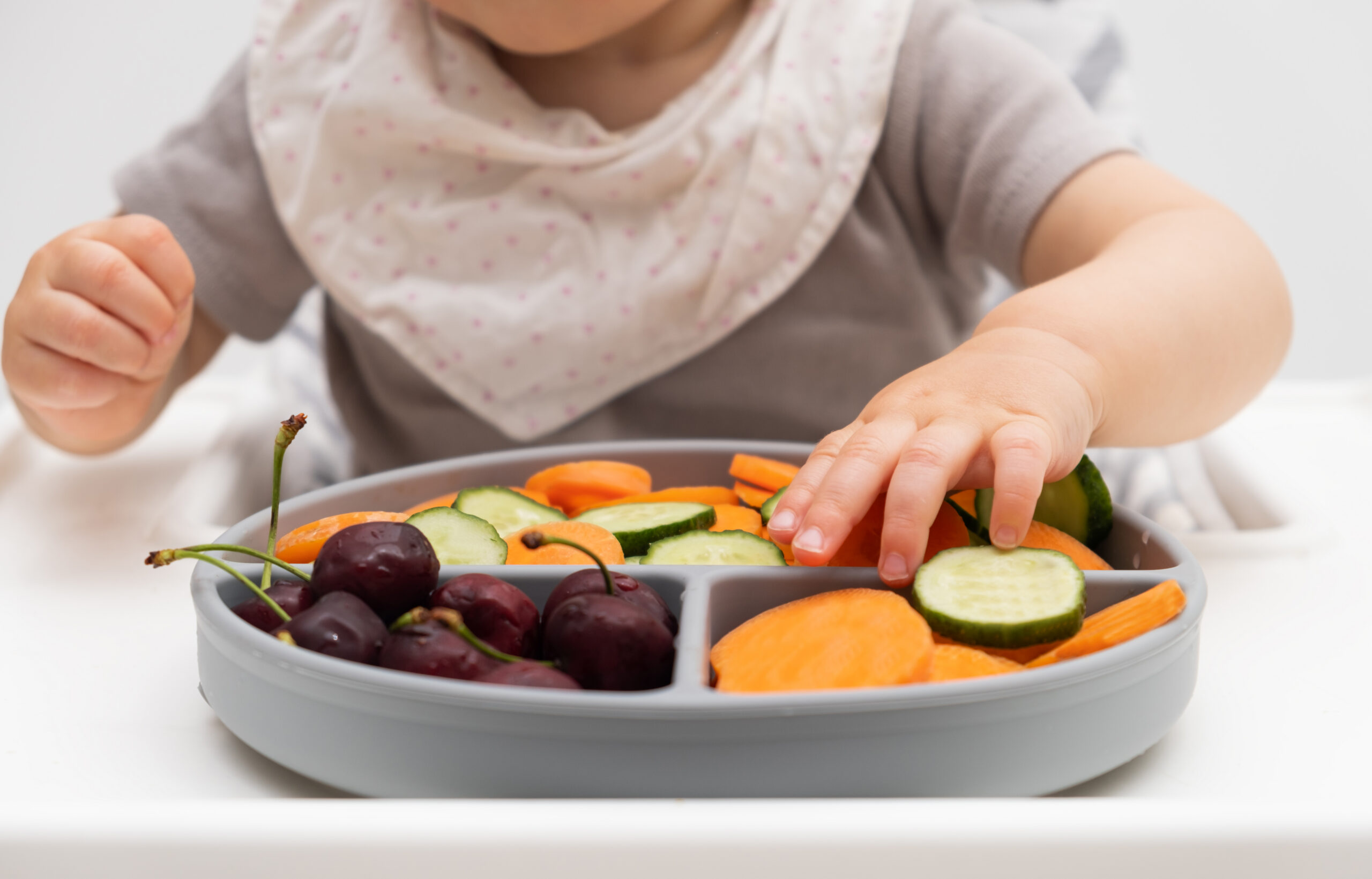
- Small pieces of banana
- Scrambled eggs
- Well-cooked pasta
- Soft cooked vegetables
- Finely chopped chicken
- Soft fruits
These foods help develop chewing skills and encourage self-feeding.
Foods That Can Cause Choking
Safety is extremely important when introducing solid foods to baby.
Avoid:
- Whole grapes
- Popcorn
- Nuts and seeds
- Hot dogs
- Chunks of cheese
- Raw vegetables
- Large fruit chunks
- Sticky candy
- Thick spoonfuls of peanut butter
A good rule: foods should be soft enough to mash easily between your fingers.
Does My Baby Need Water?
Many parents wonder about water during this stage.
Healthy babies generally do not need additional water before starting solids because breast milk and formula provide adequate hydration.
Once introducing solid foods to baby, you may offer small amounts of water in an open cup, straw cup, or sippy cup.
Limit water to approximately 8 ounces per day.
This also helps babies begin learning cup-drinking skills.
Building Healthy Eating Habits Early
One of the greatest benefits of introducing solid foods to baby is establishing healthy habits from the beginning.
Whenever possible:
- Eat meals together as a family
- Offer a variety of nutritious foods
- Respect your baby’s hunger and fullness cues
- Avoid pressuring your child to eat
Research consistently shows that family meals support healthy development and positive relationships with food.
Final Thoughts
Introducing solid foods to baby is a major milestone that helps support growth, nutrition, and developmental skills. Start slowly, focus on safe foods, and follow your baby’s cues.
Remember that breast milk or formula remains the primary source of nutrition during the first year, and solids are meant to complement—not replace—milk feedings.