
Why Home Safety for Toddlers Matters More Than You Think
Home Safety for Toddlers: A Pediatrician’s Guide for Parents
Home safety for toddlers is one of the most important topics pediatricians discuss with families. Toddlers are naturally curious, constantly moving, and developmentally driven to explore their environment—often without understanding risk.
According to the American Academy of Pediatrics (AAP), many childhood injuries occur in the home and are largely preventable with proactive safety measures. Creating a safe environment doesn’t mean eliminating exploration—it means preparing for it.
Why Home Safety for Toddlers Matters
The importance of home safety for toddlers lies in how quickly children develop new abilities. One day they’re crawling, and the next they’re climbing, opening cabinets, and reaching higher surfaces.
Toddlers learn through touching, tasting, climbing, and pulling. This means nearly every room in your home can present potential hazards if not properly childproofed. Learn more from AAP on how to properly childproof your entire home.
Think Like a Toddler
A key principle of home safety for toddlers is anticipating behavior.
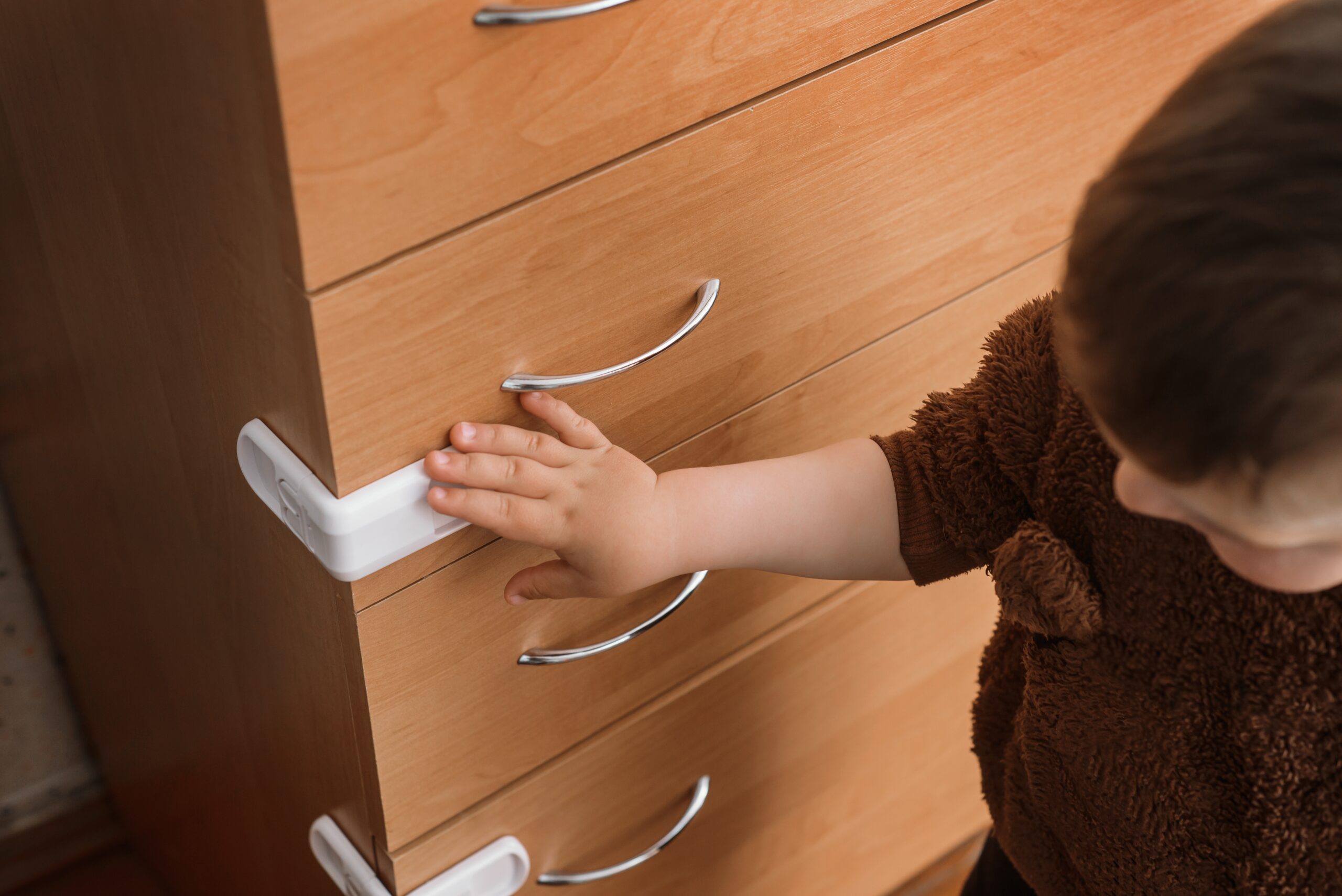
Get down to your child’s level and ask:
- What can they reach?
- What can they pull down?
- What fits in their mouth?
Toddlers explore with their hands and mouths, increasing the risk of choking and ingestion.
Keep anything small, sharp, toxic, or breakable out of reach, out of sight, and ideally locked away.
Prevent Poisoning and Ingestion
One of the biggest risks related to home safety for toddlers is accidental ingestion.
The AAP recommends:
- Locking medications and cleaning supplies
- Using child-resistant packaging
- Securing batteries (especially button batteries)
- Keeping trash and harmful items out of reach
Even items like vitamins or laundry pods can be dangerous.
Reduce Choking Hazards
When children do not maintain a consistent sleep routine, the effects can feel Choking is a serious concern when it comes to home safety for toddlers.
To reduce risk:
- Avoid small objects like coins and toy parts
- Choose age-appropriate toys
- Supervise mealtimes
A helpful rule: if an object fits through a toilet paper roll, it is a choking hazard.
Prevent Falls and Tip-Over Injuries
Falls are one of the most common injuries in toddlers. Proper home safety for toddlers includes:
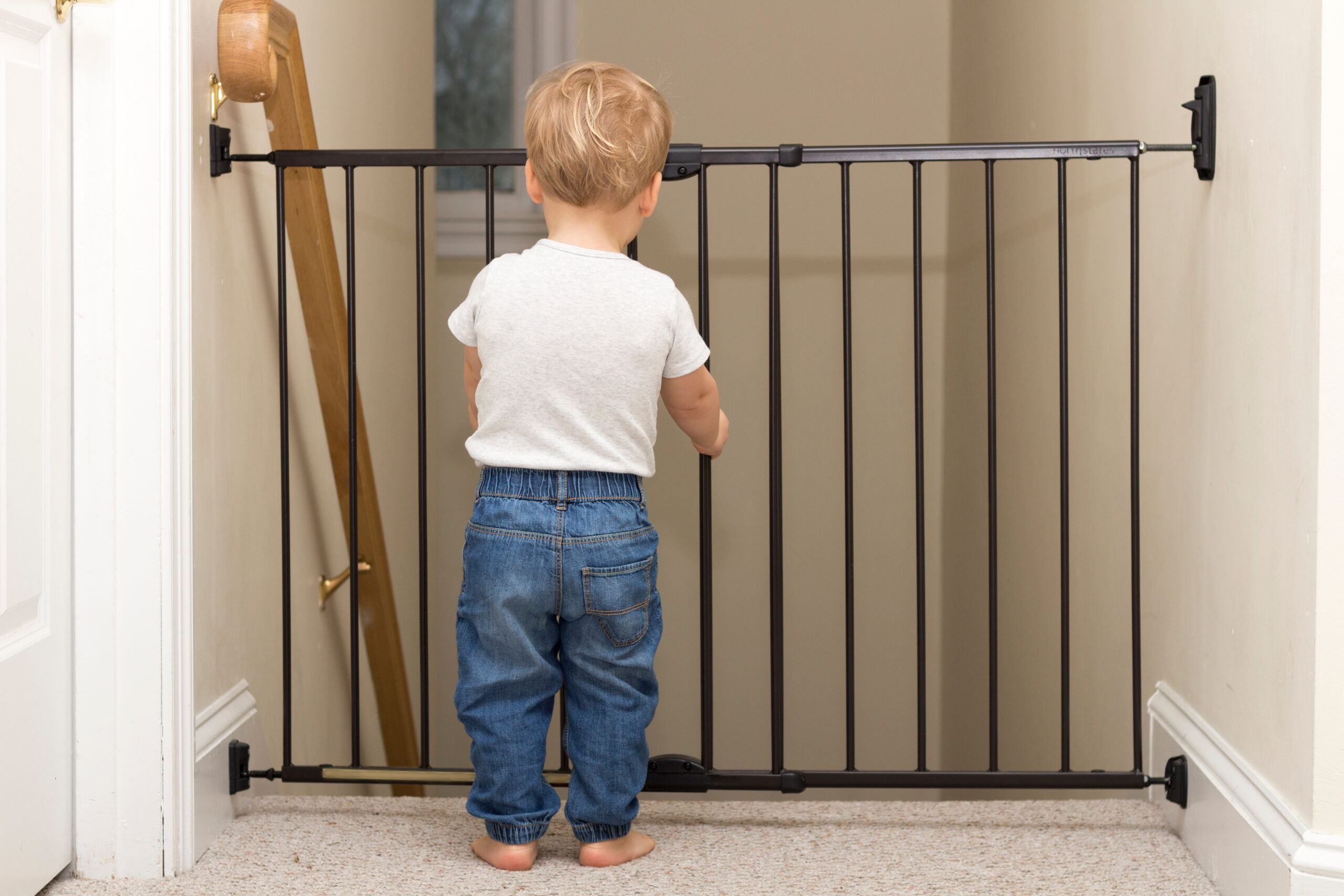
- Installing safety gates at stairs
- Anchoring furniture and TVs
- Using window guards
- Keeping furniture away from windows
Toddlers often climb sooner than expected, so prevention should happen early.
Protect Against Burns and Fire Hazards
Burns can happen quickly, making this an essential part of home safety for toddlers.
Key precautions:
- Keep hot liquids out of reach
- Turn pot handles inward
- Set water heater to safe temperatures
- Install smoke detectors
Even brief exposure to heat can result in injury, so prevention is critical.
Water Safety Starts at Home
Water safety is a vital component of home safety for toddlers.
Important steps include:
- Never leaving a child unattended in the bath
- Emptying buckets and containers immediately
- Using toilet locks if needed
Drowning can happen silently and quickly, even in small amounts of water.
Safe Sleep and Rest Environments
Even as children grow, home safety for toddlers still includes safe sleep practices.
Ensure:
- Sleep areas are free from cords and hazards
- Furniture is stable and secure
- No items pose suffocation risks
Make Home Safety an Ongoing Process
One of the most important aspects of home safety for toddlers is consistency.
As children grow, their abilities change—and so do the risks. Reassess your home regularly and update safety measures as needed.
Final Thoughts
Home safety for toddlers is less about perfection and more about preparation. By anticipating your child’s development and taking proactive steps, you can significantly reduce the risk of injury.
Toddlers are meant to explore, learn, and grow. A safe home environment allows them to do just that—with confidence and protection.
If you ever have concerns about your home setup, your pediatrician can help guide you with practical, age-appropriate recommendations.