
Healthy Eating Habits for Kids: Nutrition Tips to Help Prevent Disease
We often think of healthy eating habits for kids as just a way to support growth—but it’s much more than that. The way children eat today shapes not only their current health, but their long-term risk for chronic diseases. Research shows that poor nutrition early in life can lead to increased risk of obesity, diabetes, and even early-onset cancers later in life.
As parents and pediatric providers, we have a powerful opportunity to shape lifelong habits. By teaching children what healthy food looks like—and why it matters—we lay the foundation for a lifetime of wellness.
Why Nutrition Matters Early
Did you know that rates of early-onset colorectal cancer (EOCRC) are projected to rise dramatically by 2030? One study estimates that in adults ages 20–34, rates could surge by more than 90%. While some cases are genetic, most are not. That’s why many researchers believe that childhood lifestyle choices—including diet—play a major role.
Kids are not too young to learn about balance and moderation. And the choices they make now can influence everything from gut health to immune strength and even mental wellness.
The Five Food Groups: Daily Goals for Kids
Children need a balance of nutrients to support growing bodies and active minds. Use the food group guide below as a starting point:
Vegetables: 3–5 servings/day
- 1 cup leafy greens
- 1/2 cup cooked or chopped raw vegetables
- 3/4 cup 100% vegetable juice
Fruits: 2–4 servings/day
- 1 medium apple, banana, or orange
- 1/2 cup chopped fruit
- 3/4 cup fruit juice

Grains: 6–11 servings/day
- 1 slice whole grain bread
- 1/2 cup pasta, rice, or oatmeal
Protein: 2–3 servings/day
- 2–3 oz lean meats, chicken, turkey, or fish
- 1 egg or 1/2 cup beans or lentils
Dairy: 2–3 servings/day
- 1 cup milk or yogurt
- 1.5 oz natural cheese
Pro Tip: Get your kids involved by exploring MyPlate.gov for interactive games and meal visuals.
Fiber: The Secret to Gut Health
Fiber helps prevent constipation and supports a healthy gut microbiome. It comes in two main forms:
- Soluble fiber (oats, beans, apples): forms a gel-like substance, reduces inflammation
- Insoluble fiber (whole grains, fibrous veggies): adds bulk and promotes regularity
Recommended fiber by age:
- 1–3 years: 19g
- 4–8 years: 25g
- 9–13 years: 26–31g
- 14–18 years: 26–38g
Fiber-rich diets are associated with a lower risk of colorectal cancer, improved digestion, and better blood sugar regulation.
Protein and Fat: Quality Over Quantity
Protein helps build tissues and strengthens the immune system. Include a mix of:
- Plant-based proteins: beans, nuts, seeds
- Animal-based proteins: fish, poultry, lean meat, dairy
Fat is essential for energy and development, especially brain health—but saturated fat should be limited.
Aim for:
- Less than 30% of calories from fat
- Focus on unsaturated fats: olive oil, nuts, seeds
- Limit saturated fats: fried foods, fatty meats, processed snacks
Sugar and Portion Control
Sugar is a common issue in children’s diets. Too much sugar can crowd out healthy foods and lead to weight gain and inflammation.
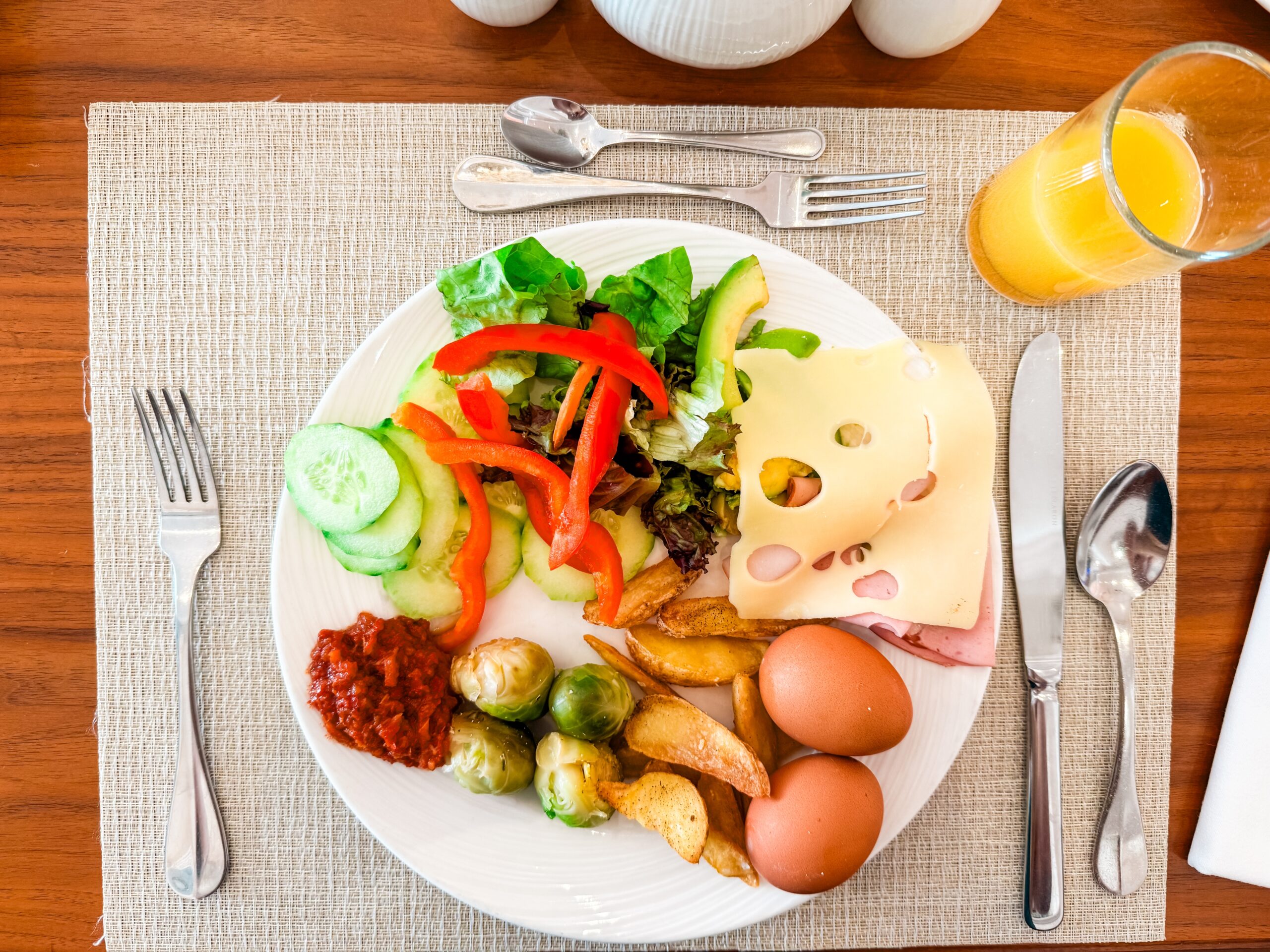
- Avoid sugary drinks (offer water or milk)
- Choose fruits over desserts
- Keep treats occasional, not daily
Teach portion control early by avoiding second servings and sticking to 3 meals with 2–3 small, healthy snacks per day.
Bonus Habits for Lifelong Health
Pair good nutrition with these smart lifestyle practices:
- Eat together as a family to model healthy choices
- Drink plenty of water (add electrolytes during activity)
- Get 60 minutes of movement daily
- Don’t skip meals
Final Thoughts
Healthy eating habits for kids are one of the most effective tools we have to prevent disease and promote lifelong well-being. From reducing the risk of early-onset cancer to supporting academic focus and mental health, nutrition impacts everything. Small, consistent changes—like offering veggies at every meal or limiting sugary drinks—can add up to big results.
Start today. Teach your kids that food fuels their fun, their energy, and their future.