Foods to Avoid While Breastfeeding: 5 Important Things Every Mom Should Know
Foods to Avoid While Breastfeeding: What Every Mom Should Know
Foods to avoid while breastfeeding are important to understand, but the good news is you don’t need a perfect diet to successfully nourish your baby. Breastfeeding is a powerful way to support your baby’s growth, development, and bonding—but being mindful of certain foods and substances can help keep your baby as safe and healthy as possible.
Most foods are safe, but a few should be limited or avoided due to how they can pass into breast milk and affect your baby.
High-Mercury Fish: A Key Food to Avoid While Breastfeeding
Fish is a great source of protein and omega-3 fatty acids, which support brain development. However, one of the most important foods to avoid while breastfeeding is high-mercury fish.
Mercury can pass into breast milk and may affect your baby’s developing nervous system.
Fish to Avoid:
- Shark
- Swordfish
- King mackerel
- Tilefish
Safer Options:
- Salmon
- Cod
- Tilapia
- Canned light tuna (in moderation)
Aim for 2–3 servings of low-mercury fish per week. Visit the FDA for more information on eating fish while breastfeeding.
Alcohol and Breastfeeding: Timing Matters
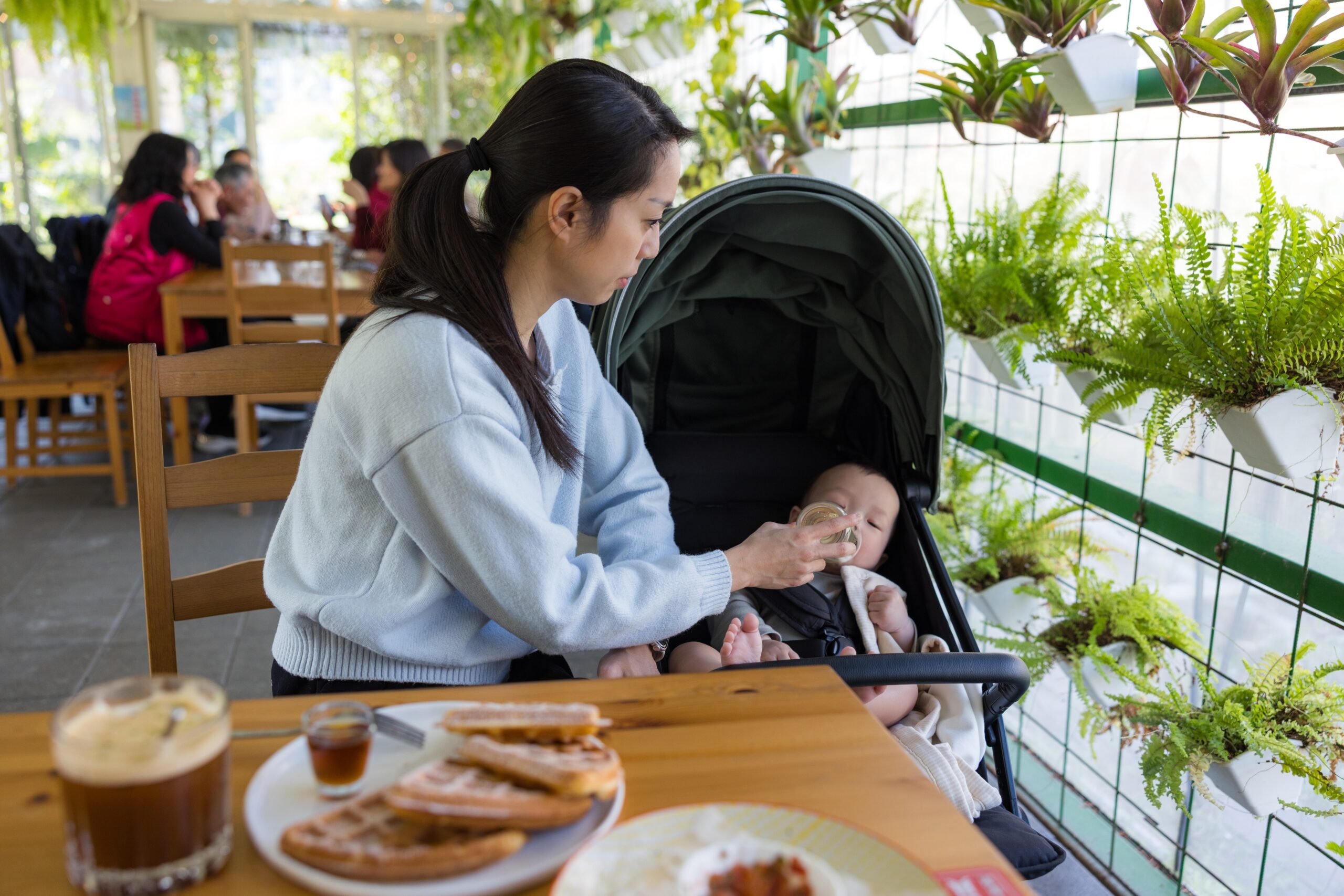
Alcohol is another important consideration when discussing foods to avoid while breastfeeding.
Alcohol passes into breast milk at levels similar to your bloodstream. While occasional use can be safe, moderation and timing are key.
Get down to your child’s level and ask:
- Limit to one standard drink per day
- Wait 2–3 hours before breastfeeding
- Pumping and dumping does not remove alcohol faster
Breastfeeding provides so many benefits that having an occasional drink—when timed appropriately—should not discourage you from continuing.
Caffeine: Limit, Don’t Eliminate
Caffeine is not completely off-limits, but it is one of the foods to avoid while breastfeeding in excess.
Small amounts are generally safe, but too much caffeine can lead to:
- Fussiness
- Irritability
- Sleep disruptions in your baby
Recommended Limit:
- 200–300 mg per day (about 2–3 cups of coffee)
Be mindful of hidden sources like tea, soda, energy drinks, and chocolate. If your baby seems unusually fussy, consider reducing your intake. Read more about special circumstances while breastfeeding from the CDC.
Nicotine: Avoid Completely
Nicotine is one of the most critical substances to avoid when considering foods to avoid while breastfeeding.
Nicotine exposure has been linked to:
- Increased risk of SIDS
- Breathing problems
- Sleep disturbances
There is no safe level of nicotine exposure for infants. If quitting feels overwhelming, talk with your healthcare provider about support options.
Cannabis: Not Recommended
Cannabis is also included in the list of foods to avoid while breastfeeding due to potential risks.
THC is stored in body fat and can remain in breast milk for extended periods. While research is ongoing, studies suggest possible effects on brain development.
Because of these uncertainties, it is safest to avoid cannabis use while breastfeeding.
What You Should Focus on Instead
Burns can happen quickly, making this an essential part of home safety for Rather than focusing only on foods to avoid while breastfeeding, it’s just as important to focus on what to include.
A healthy breastfeeding diet should emphasize:
- Balanced meals with fruits and vegetables
- Lean proteins
- Whole grains
- Plenty of hydration
A well-rounded diet supports both your health and your baby’s development.
Final Thoughts
Understanding foods to avoid while breastfeeding helps you make informed, confident choices during this important stage. Breastfeeding does not require perfection—but awareness and moderation can make a meaningful difference.
When in doubt, consult your pediatrician or a lactation specialist for personalized guidance. Taking care of yourself is an essential part of taking care of your baby.