
Bike Safety for Kids: Essential Tips Every Parent Should Know
As a pediatrician, I encourage families every day to help their children move more, play outside, and build healthy habits that last a lifetime. Biking checks all of those boxes. It can improve cardiovascular health, support coordination and balance, and give children a sense of independence and confidence.
Biking remains one of the most common causes of injury-related emergency department visits among children, which is why the American Academy of Pediatrics (AAP) places such strong emphasis on bike safety education and prevention.
Bike safety isn’t about fear. It’s about preparation.
Why Bike Safety for Kids Deserves Our Attention
Children’s brains and bodies are still developing, which makes them more vulnerable to injury. When a child falls or is struck while riding a bicycle, the impact can be significant — especially to the head and face.
According to the AAP:
- Head injuries are the leading cause of serious disability and death related to bicycle crashes in children.
- Many bicycle injuries occur during routine rides close to home, not during risky or high-speed situations.
- The majority of these injuries are preventable with proper equipment, safe riding behaviors, and adult supervision.
Understanding these risks allows us to reduce them — without taking away the joy of riding.
Helmets: The Most Important Safety Tool
The AAP strongly recommends that all children wear a bicycle helmet every time they ride, beginning with their very first tricycle or balance bike.
This recommendation is based on extensive research showing that:
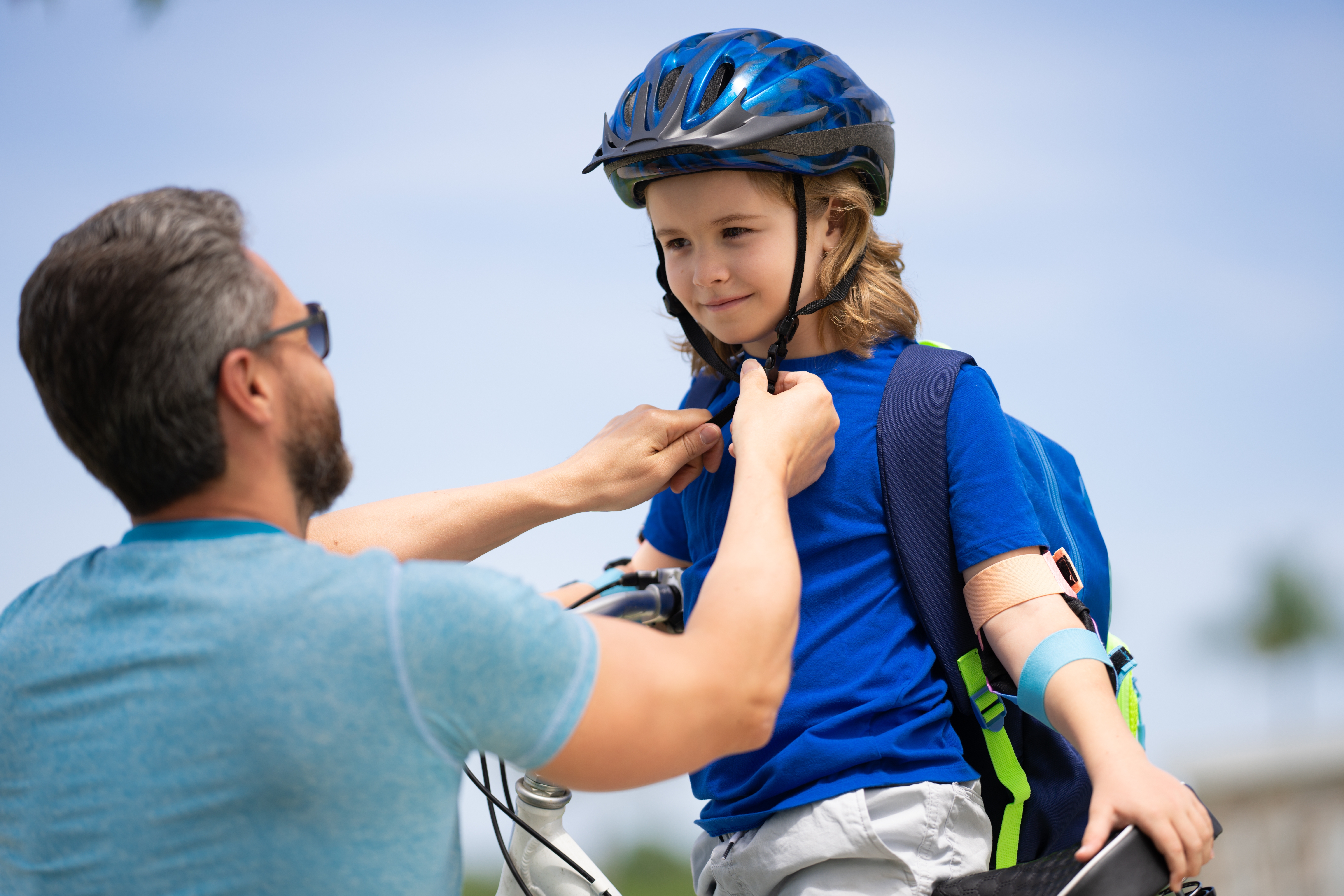
- Bicycle helmets reduce the risk of head and brain injuries by more than 60%
- Helmets also significantly reduce the risk of severe facial injuries
- Communities with higher helmet use see fewer serious and fatal bicycle-related injuries
A helmet should:
- Sit level on the head, not tilted back
- Cover the forehead
- Fit snugly without shifting
- Be buckled securely under the chin
As pediatricians often say: the best helmet is the one that is worn — every ride, every time.
Bike Safety Is More Than Just a Helmet
While helmets are essential, the AAP emphasizes that true bike safety is multi-layered. A comprehensive approach includes the bike itself, the rider’s skills, and the environment.
1. Choosing the Right Bike
- A child should be able to place both feet on the ground when seated.
- Hand brakes should be easy for small hands to use.
- Bikes should be checked regularly for working brakes, properly inflated tires, and secure chains.
A bike that’s too big or poorly maintained increases the risk of falls and loss of control.
2. Teaching Safe Riding Habits
Children should learn to:
- Ride on the right side of the road, in the same direction as traffic
- Obey stop signs and traffic signals
- Use hand signals to indicate turns
- Look left, right, and left again before crossing streets
Young children lack the developmental ability to judge traffic speed and distance, which is why the AAP recommends adult supervision and riding away from traffic whenever possible.
3. Visibility Saves Lives
Many bicycle crashes occur because drivers simply don’t see the child riding.
To improve visibility:
- Choose bright or neon clothing
- Use reflective stickers or gear
- Ensure bikes have reflectors and lights when riding near dusk or in low-light conditions
Being visible is a powerful form of protection.
The Role of Parents and Caregivers
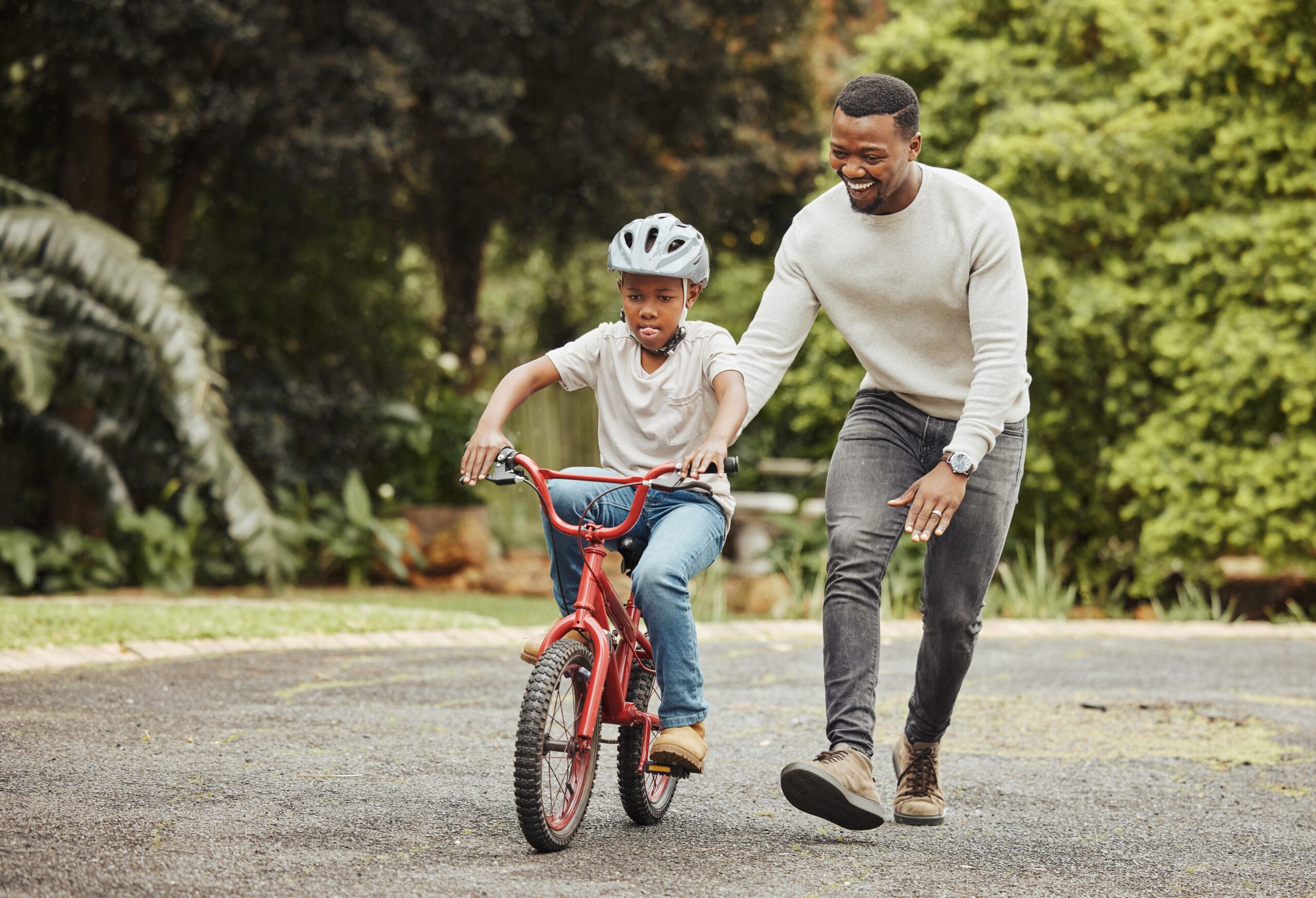
Children learn bike safety primarily by example. When adults:
- Wear helmets themselves
- Follow traffic rules
- Speak consistently about safety
Children are far more likely to do the same.
The AAP also supports community-level strategies such as helmet laws, bike safety education programs, and safer infrastructure — all of which have been shown to increase helmet use and reduce injuries.
What Pediatricians Want Families to Know
Bike safety for kids should start early and continue as children grow. As pediatricians, we encourage families to:
- Make helmet use non-negotiable
- Revisit bike safety rules as children gain independence
- Choose safe places to ride based on a child’s age and skill level
These small, consistent steps make a meaningful difference.
Final Thoughts
Biking should be a source of freedom, fun, and lifelong health — not injury. With the right precautions in place, children can ride confidently and safely as they grow.
Bike safety for kids protects growing brains, prevents serious injuries, and keeps kids riding longer.
Before your child heads out on their next ride, take a moment to check the basics. Those few extra minutes can protect a lifetime of learning, play, and adventure.