
Is It Time to Say Goodbye to the Paci? A Pediatrician’s Advice
Pacifier use in young children is a common topic for new parents, and for good reason. These small soothing tools can bring comfort to babies—and some much-needed peace for parents, too. But knowing when and how to introduce a pacifier (and when to say goodbye to it) can raise questions.
Here’s what you need to know about pacifier use, from newborn stages to toddlerhood.
1. Are Pacifiers Safe for Newborns?
Pacifiers are considered a normal and helpful way to soothe infants. They can even reduce the risk of Sudden Infant Death Syndrome (SIDS) when used during naps and bedtime, according to the American Academy of Pediatrics (AAP.)
However, pacifiers are not required. Some babies take to them immediately, while others never show interest—and both are completely okay.
2. When Should I Introduce a Pacifier?
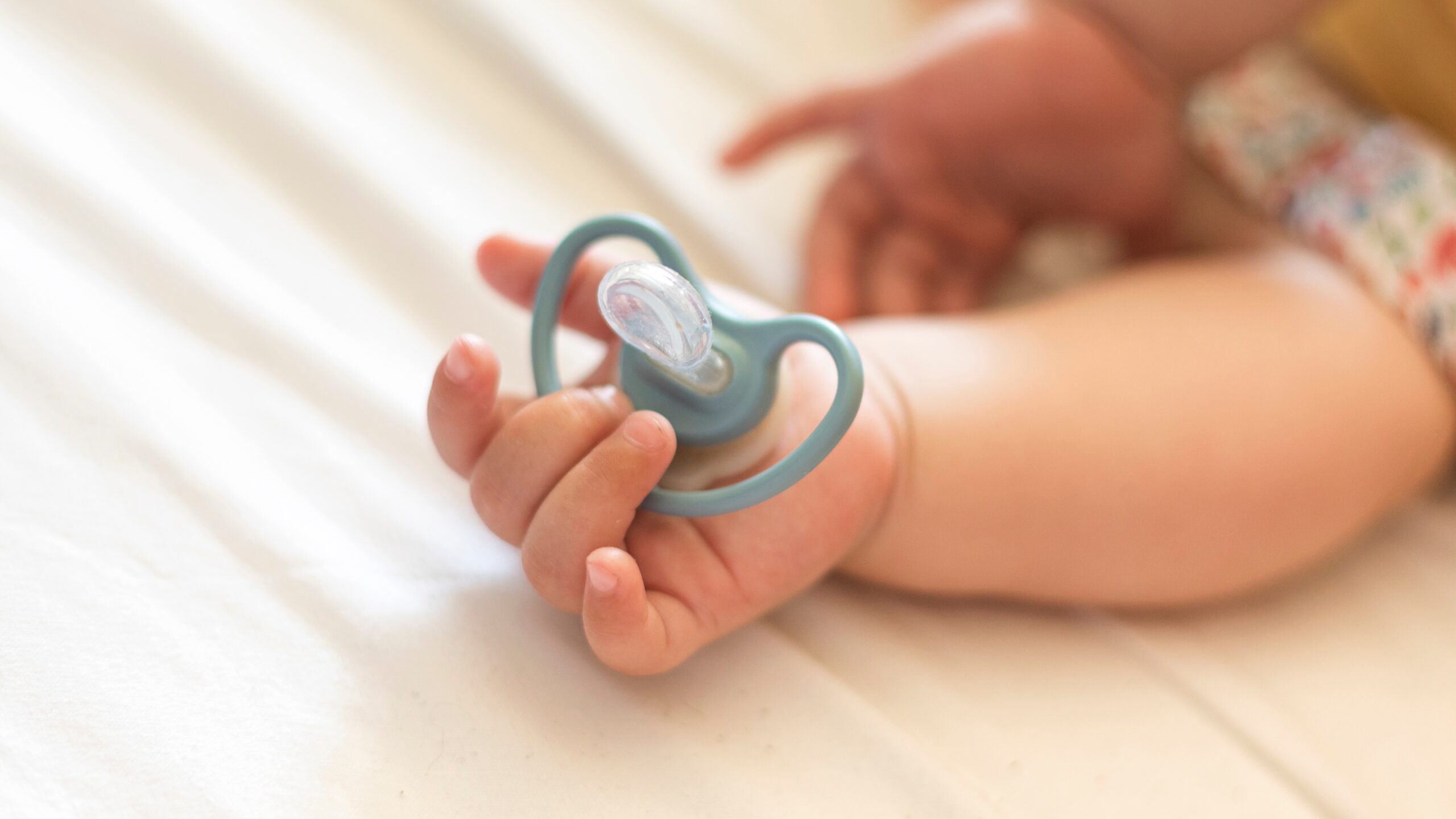
If you’re considering offering a pacifier to your newborn, the AAP recommends waiting about 3–7 days or until breastfeeding is well established. That’s because early and excessive pacifier use might reduce a baby’s effort during breastfeeding and potentially affect milk supply.
That said, every baby is different. Some have a high need to suck and may benefit from early pacifier use, especially if feeding is going well and baby is gaining weight.
3. Choosing the Right Pacifier for Your Baby’s Age
There are two main types of pacifier shapes:
- Before teeth (0–6 months): Rounded base design, appropriate for early gum closure.
- After teeth (6+ months): Flat base design to accommodate teeth and avoid shifting the palate or affecting dental development.
Check the packaging to ensure you’re using the right type for your baby’s stage.
4. When to Wean Off the Pacifier
For optimal oral health, the AAP and pediatric dentists recommend:
- By age 2: Use pacifiers only in certain situations (bedtime, naps, or stressful events).
- By age 3: Fully wean to avoid dental alignment issues or palate changes.
Try This Tip: The Paci Fairy Trick
Collect all pacifiers into a decorated box, and tell your child it’s going to the “Paci Fairy,” who will give them to other babies in need. In return, the fairy leaves a small gift overnight. It’s a fun and gentle way to mark the milestone.
5. Safety Tips for Pacifier Use in Young Children
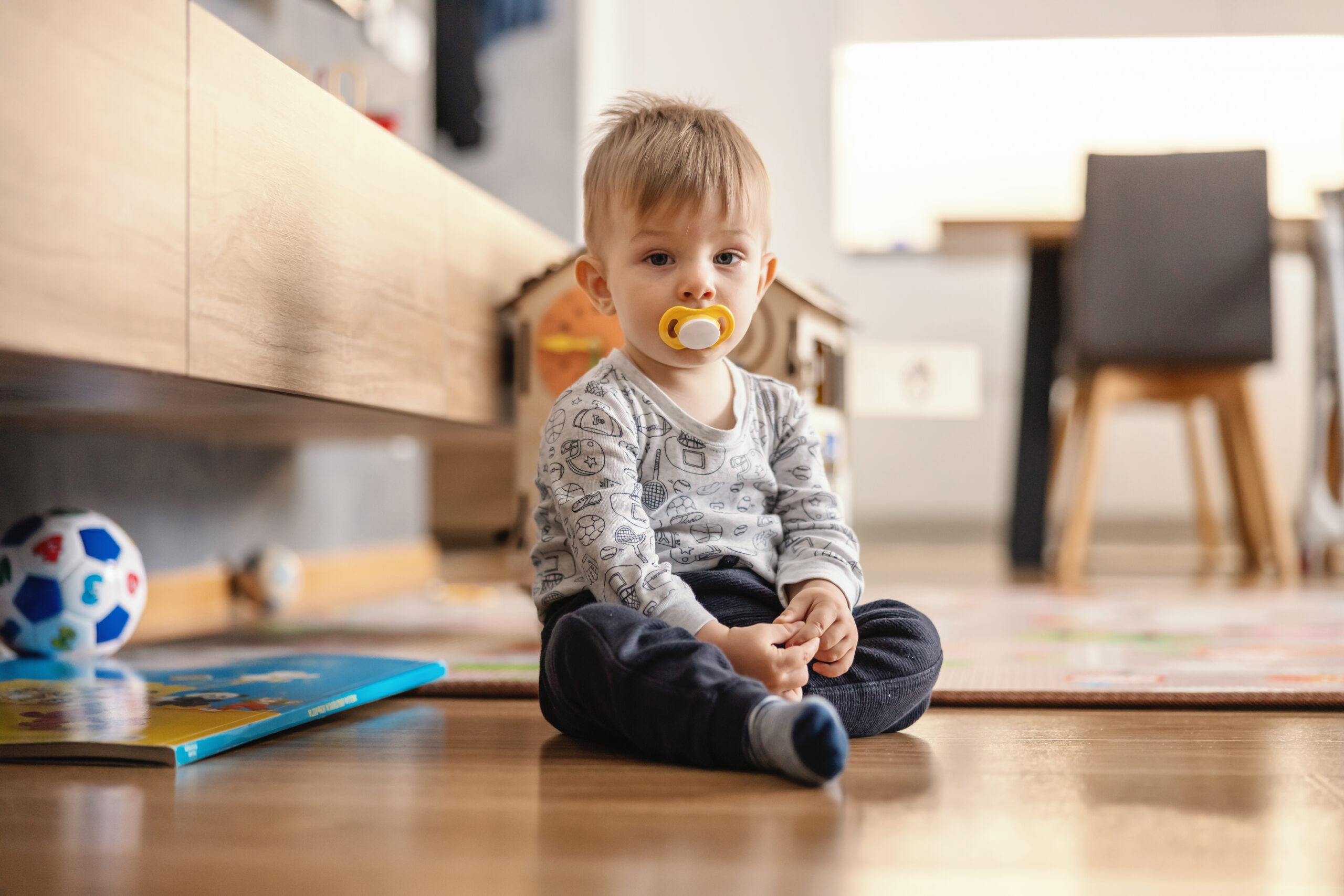
- Always choose a one-piece pacifier with ventilation holes.
- Never tie pacifiers around a baby’s neck or crib—this poses a strangulation risk.
- Replace worn or cracked pacifiers.
- Keep them clean with regular washing or sterilizing.
Final Thoughts
Pacifier use in young children can offer comfort, soothe stress, and support healthy sleep—especially in infancy. But as children grow, it’s important to transition away from pacifier dependency to support oral health. Whether your child loves their paci or never took to it, trust your instincts and work closely with your pediatrician to make the best choice for your family.